DIVINE SOUL TRAVELS

🔱 12 Jyotirlinga Yatra
History
The 12 Jyotirlingas represent Lord Shiva’s presence across India as pillars of divine light.
Why To visit / Purpose
• Deep spiritual awakening
• Karmic and ancestral healing
• Protection, strength, and inner stability
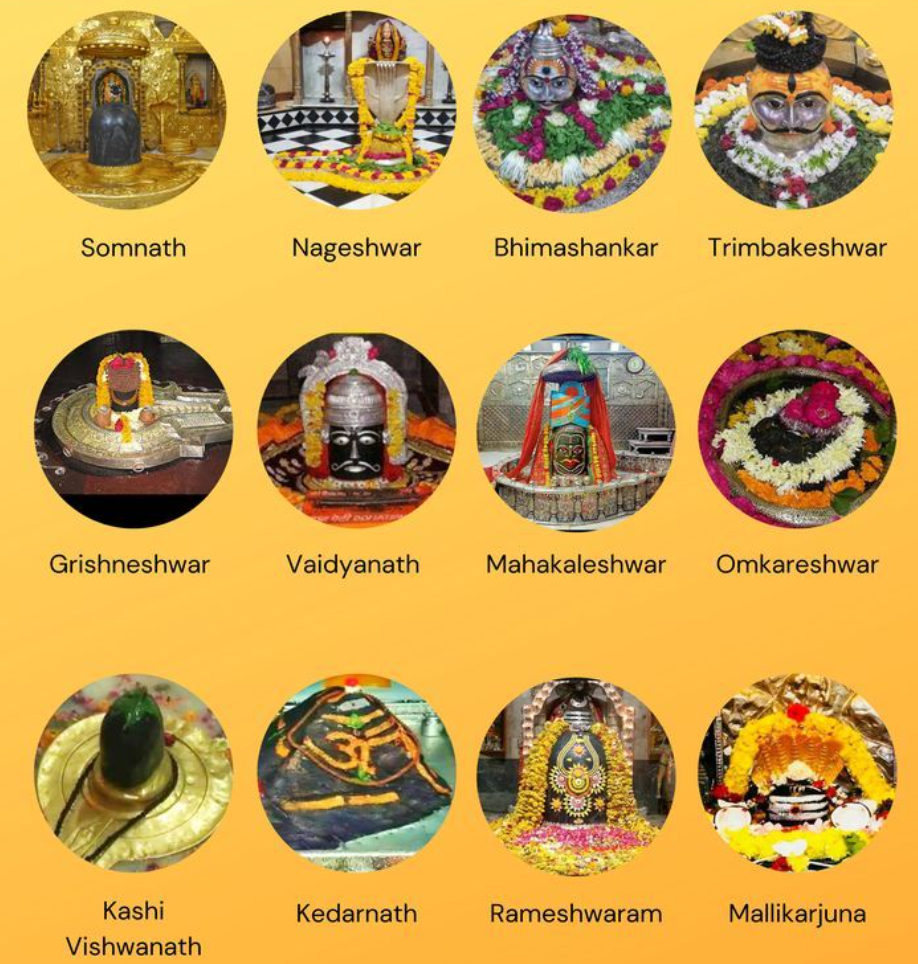
1️⃣ Somnath –Gujarat
Significance:
Considered the first Jyotirlinga, Somnath represents regeneration and resilience. The temple has been rebuilt multiple times through history.
Why people visit:
• Renewal of faith
• Strength and emotional healing
• Overcoming life challenges
2️⃣ Mallikarjuna – Srisailam, Andhra Pradesh
Significance:
Associated with both Lord Shiva and Goddess Parvati, symbolising divine union.
Why people visit:
• Marital harmony
• Spiritual balance
• Family well-being
3️⃣ Mahakaleshwar – Ujjain, Madhya Pradesh
Significance:
The only south-facing Jyotirlinga, representing Shiva as the lord of time and death.
Why people visit:
• Protection from fear
• Relief from stress
• Transformation and stability
4️⃣ Omkareshwar – Madhya Pradesh
Significance:
Located on an island shaped like ‘Om’, the sacred cosmic sound.
Why people visit:
• Mental clarity
• Inner peace
• Spiritual growth
5️⃣ Kedarnath – Uttarakhand
Significance:
Situated in the Himalayas, linked to the Pandavas and great penance.
Why people visit:
• Karmic purification
• Inner strength
• Spiritual awakening
6️⃣ Bhimashankar – Maharashtra
Significance:
Associated with the slaying of the demon Bhima, symbolising victory of good over evil.
Why people visit:
• Courage and confidence
• Removal of obstacles
• Protection
7️⃣ Kashi Vishwanath – Varanasi
Significance:
Located in the eternal city of Kashi, believed to grant moksha (liberation).
Why people visit:
• Spiritual liberation
• Ancestral peace
• Deep spiritual connection
8️⃣ Trimbakeshwar – Nashik, Maharashtra
Significance:
Source of the Godavari River, featuring a unique three-faced lingam.
Why people visit:
• Ancestral and karmic healing
• Relief from life obstacles
• Spiritual purification
9️⃣ Vaidyanath (Baidyanath Dham) – Jharkhand
Significance:
Known as Shiva the divine healer.
Why people visit:
• Physical and emotional healing
• Strength and recovery
• Faith and devotion
🔟 Nageshwar – Gujarat
Significance:
Symbolises protection from negative forces and fear.
Why people visit:
• Inner strength
• Protection and courage
• Peace of mind
1️⃣1️⃣ Rameshwaram – Tamil Nadu
Significance:
Linked to Lord Rama’s devotion to Shiva, bridging north and south India.
Why people visit:
• Removal of sins
• Spiritual cleansing
• Completion of pilgrimage
1️⃣2️⃣ Grishneshwar – Aurangabad, Maharashtra
Significance:
The last Jyotirlinga, representing compassion and devotion.
Why people visit:
• Emotional healing
• Humility and gratitude
• Spiritual fulfilment